
A Tree Fell on My Neighbor's Property in Rhode Island — Who Pays?
Every nor'easter produces the same argument across South County: a tree comes down across a property line, and two neighbors discover they have very different ideas about who owes what.
Rhode Island has a clear answer. It just isn't the answer most people expect.
The Default Rule: Each Owner Covers Their Own
If a healthy tree falls because of wind, ice, or a storm, the owner of the damaged property generally pays — through their own homeowner's insurance — regardless of which yard the tree grew in.
Courts treat this as an "act of God." Nobody was careless, so nobody is liable. Your insurance covers your house; your neighbor's covers theirs.
This catches people off guard. The tree was theirs, so surely they pay? Not under Rhode Island law, and not in most states. The Town of Narragansett publishes guidance for homeowners on fallen tree liability that says the same thing: file with your own insurer first.
The Exception That Changes Everything: Negligence
The default flips when the tree owner knew, or reasonably should have known, that the tree was hazardous and did nothing.
Rhode Island applies a reasonable care standard. Property owners have a duty to make reasonable inspections and take reasonable steps to keep their trees safe. A court asks whether a reasonable person would have recognized the danger.
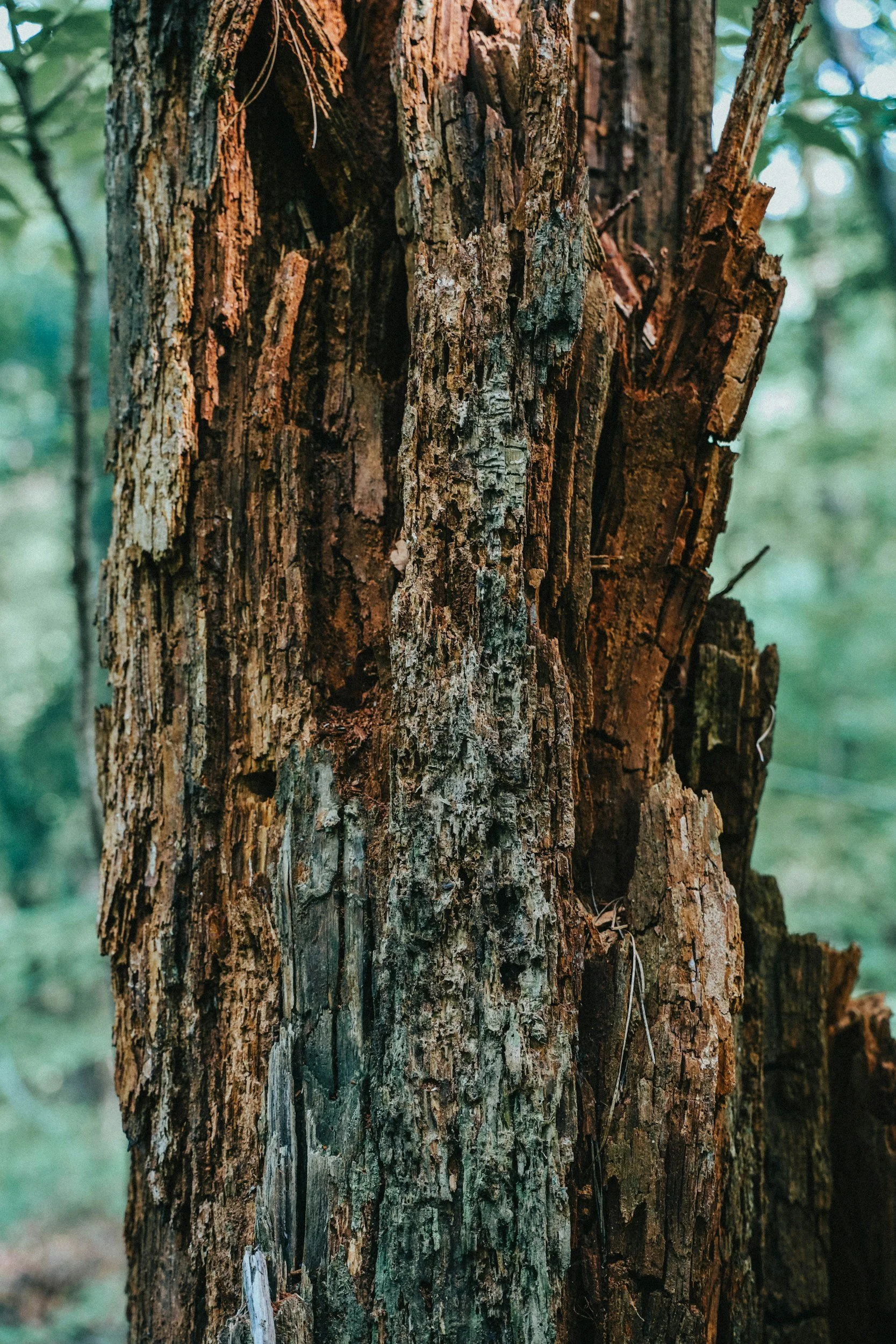
A tree that was visibly dead, rotting, split, or leaning — and that a neighbor had complained about — is not an act of God. It's negligence, and the owner can be liable for the full loss.
The practical difference between those two outcomes is often tens of thousands of dollars.
Documentation Decides Most of These Cases
Because liability turns on what the owner knew, the written record usually determines the outcome.
If you're worried about a neighbor's tree: put it in writing. A dated letter or email describing the specific defect — with photographs — establishes notice. Verbal mentions over the fence rarely help later. A written assessment from a certified arborist is stronger still.
If you own the tree: keep records of inspections and any work performed. Receipts from a licensed arborist for pruning or deadwood removal demonstrate reasonable care and are among the best defenses available if a claim ever arises.
Overhanging Branches: You Can Trim, With Limits
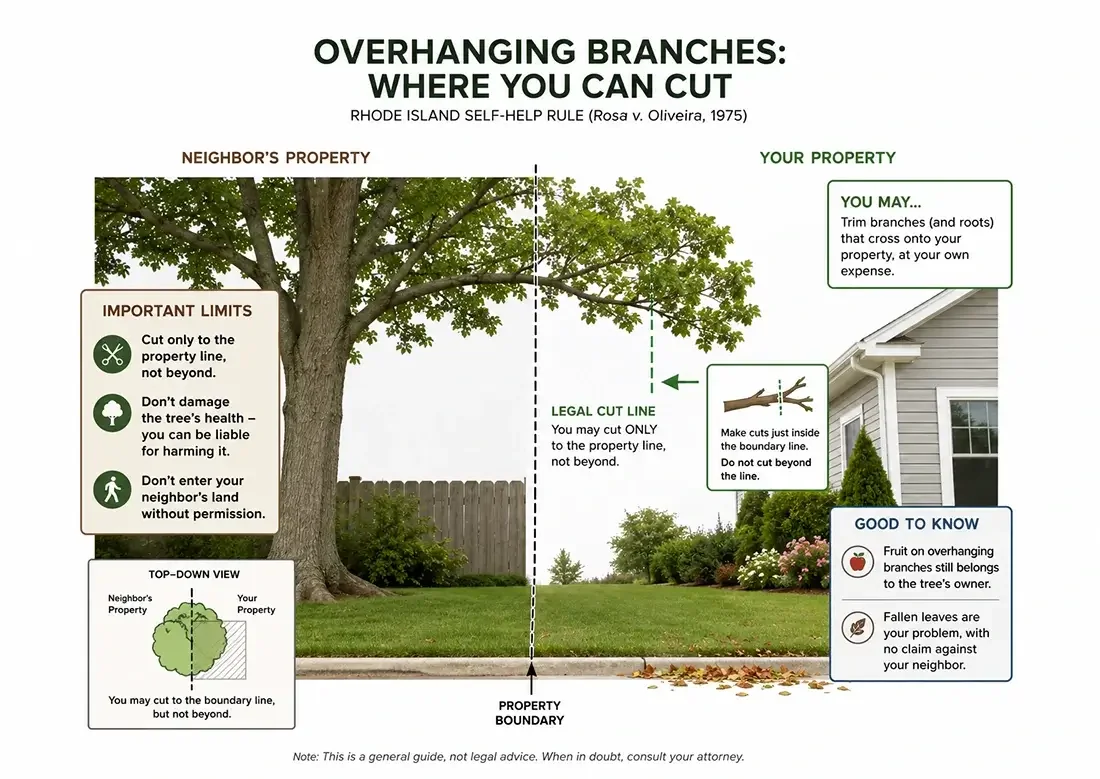
Rhode Island follows the self-help rule confirmed by the state Supreme Court in Rosa v. Oliveira (1975). You may cut branches and roots that cross onto your property, at your own expense.
Three important limits:
Cut only to the property line, not beyond
Don't damage the tree's health — you can be liable for harming it
Don't enter your neighbor's land without permission
And a detail that surprises homeowners: fruit on overhanging branches still belongs to the tree's owner, and fallen leaves are your problem, with no claim against your neighbor.
After a Tree Comes Down
Check for injuries and downed utility lines before anything else
Photograph everything before cleanup begins
Notify your insurer promptly, whichever side you're on
Keep every receipt from removal and cleanup work
Preserve the trunk section if decay is visible — it's evidence
FAQ
-
Typically your own insurance, under the act of God rule.
-
Documented notice of a visible defect shifts the analysis toward negligence and potential liability.
-
Yes, back to the property line, without harming the tree.
-
Usually both neighbors jointly, with shared maintenance responsibility. A survey may be needed to confirm.
The cheapest version of this conversation is the one you have before the storm. Schedule a free tree assessment and get the documentation on paper.
General information only, not legal advice. Consult a Rhode Island attorney about your specific situation.