
Storm Damage: What to Do in the First 24 Hours After a Tree Comes Down
A nor'easter moves through, and by morning there's an oak across your driveway or resting on your roof. What you do in the next several hours affects your safety, your insurance claim, and what the repair ultimately costs.
Here's the order of operations.
Hour One: Assume Every Wire Is Live
This is the only step that can kill you, so it comes first.
Never approach a fallen tree in contact with power lines. Stay at least 30 feet back. Assume any downed wire is energized, including cable and phone lines, which can be cross-contacted with power. A tree touching a line can energize the entire trunk and the ground around it.
Call 911 for immediate danger. Report downed wires to Rhode Island Energy at 1-855-743-1101, or through their safety and outage center. No tree company can legally touch a tree in contact with a primary line until the utility clears it — anyone who says otherwise is telling you something dangerous.
If a line is down across your car with you inside, stay in the vehicle and wait for the utility.
Hours One to Three: Assess Without Entering Damage
Check that everyone is accounted for. If a tree has struck the house, evacuate and don't go back in until the structure is checked — roof impacts can compromise framing in ways you can't see from inside.
Shut off gas at the meter if you smell gas. Leave the electrical panel alone if there's any water intrusion.
Then stop and look up. The tree that fell is often not the only problem. Partially failed limbs suspended in the canopy — "hangers" — are the leading cause of injury after a storm, not during it. They can release hours or days later with no warning.
Hours Three to Six: Document Everything
Photograph before you move a single branch. Insurers want to see the damage as it landed.
Capture wide shots showing the tree's origin point and where it fell, close-ups of every damaged structure, the trunk base and root plate, and any visible decay in the broken wood. That last one matters: if the interior is rotted, it changes the liability picture entirely.
Notify your insurer the same day. Ask specifically what's covered — many policies cover removal of a tree that struck a structure but not one that simply fell in the yard.
Hours Six to Twenty-Four: Hire Carefully
Storm chasers arrive within hours of every major RI storm. Some are legitimate. Many are not.
Before anyone starts work, confirm:
Rhode Island arborist license number — ask for it and write it down
Certificate of insurance naming both liability and workers' compensation, sent directly from their insurer
A written scope and price before work begins, never a verbal figure
No large cash deposit — this is the single most common scam pattern
If a crew is unlicensed and someone is injured on your property, you may be exposed. That risk is why licensing and insurance matter more here than in almost any other trade.
Reputable companies will provide all of this without hesitation. Ours is on every emergency tree removal estimate we write.
What Can Wait
Stump grinding, replanting, and landscape repair are not emergencies. Clear the hazard, make the structure safe, and handle debris chipping and cleanup once the immediate danger is gone.
Resist the urge to have everything done at once by whoever showed up first. That's how people overpay.
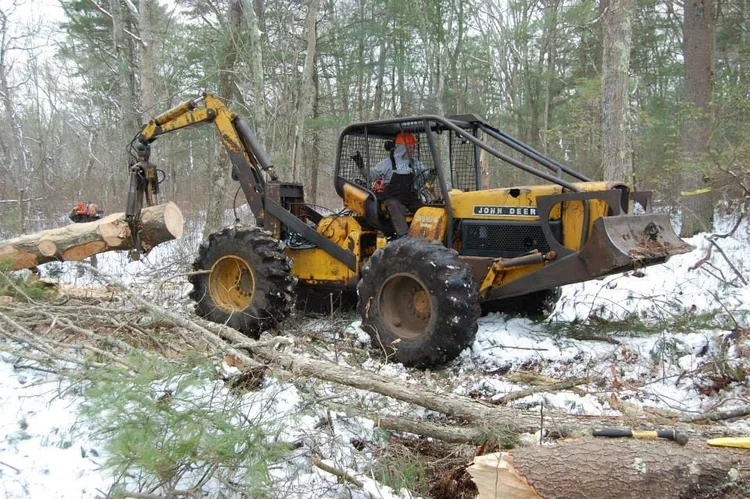
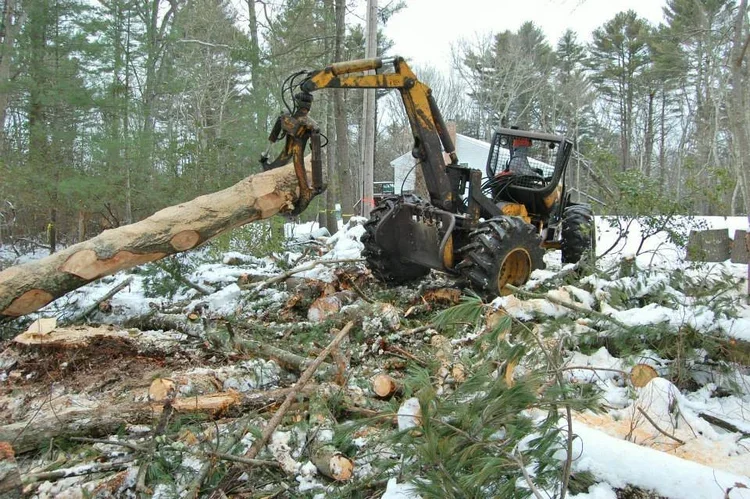
Storm damage in South County? Call us or request emergency service. Licensed, insured, and local — we're not passing through after the storm.